Deutsch
 English
 Español
 Français
 Italiano
 Português
 Русский
 中文
中文
 한국어
한국어
 العربية
Turkey Mobile Internet: Roaming Costs vs Renting Data Locally
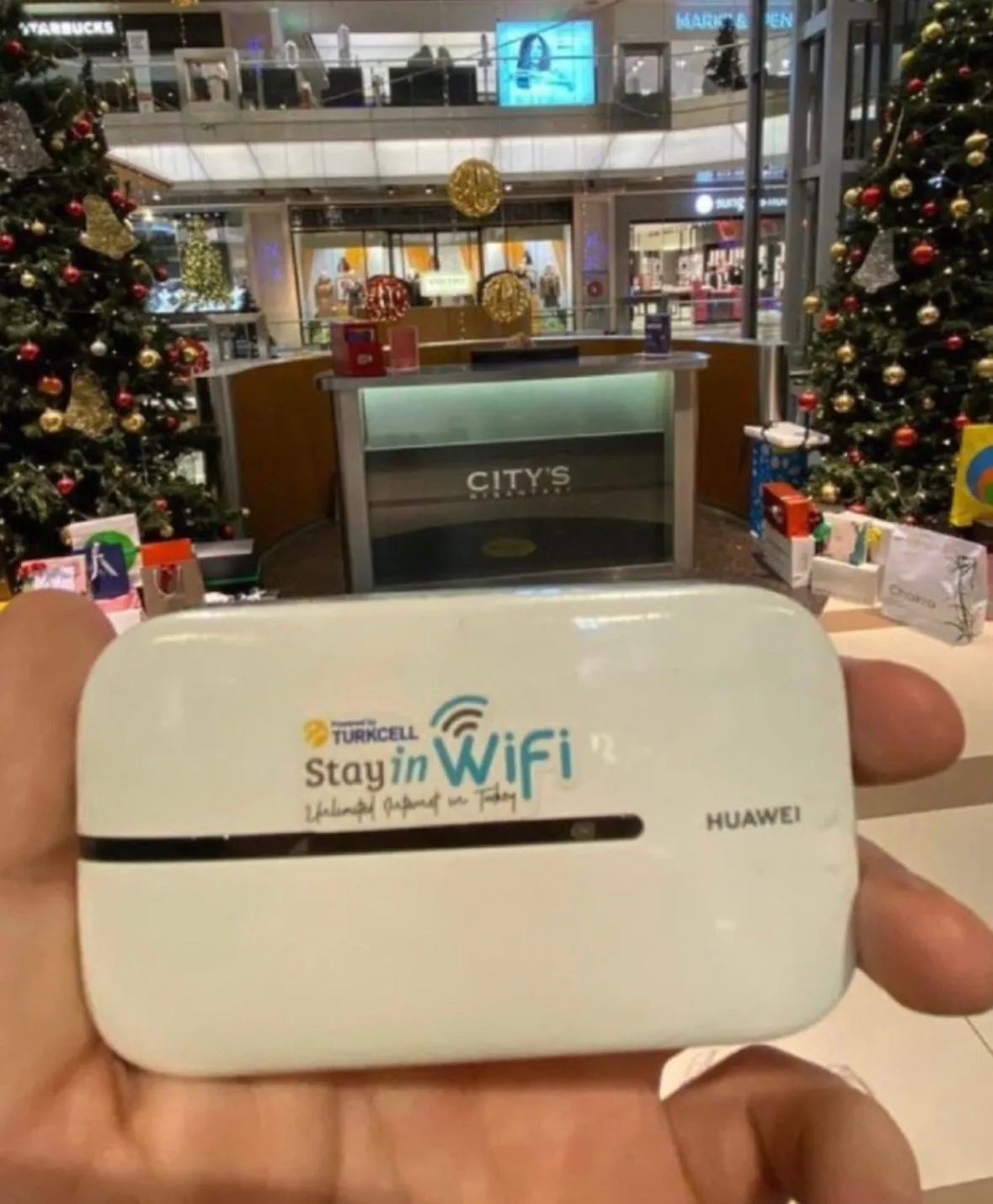
Planning a trip and wondering what Turkey mobile internet will cost you? For most visitors the real question is simple: use your home carrier's roaming, or get data locally once you arrive. This guide walks through what to check with your carrier before you fly, how the local options compare, and how to stay reachable on your own phone number without running up a roaming bill.
Contents
Check your roaming plan before you fly
Roaming is the easiest option on paper: you land, switch data on and your phone just works. The catch is the price. Roaming rates are set by your home carrier, not by anyone in Turkey, so they vary a lot from one plan to the next. Before departure, it is worth asking your carrier three questions:
- Is Turkey included in my plan, or is it charged as a separate roaming zone?
- Is data billed per megabyte, or is there a daily or weekly travel pass?
- What happens when the pass allowance runs out: does data stop, slow down, or keep billing?
Travellers from the EU should be especially careful. Turkey is not part of the EU, so the "roam like at home" rules do not apply there. A phone that simply keeps using mobile data after landing can produce an unpleasant bill.
Why roaming bills add up
A holiday uses more data than people expect. Maps run for hours while you walk around a new city, ride apps and translation apps work in the background, and photos and videos upload to the cloud automatically. Messaging apps send voice notes and video calls home every evening. On a metered roaming plan each of these adds to the total, and with several phones in the family the cost multiplies.
If you do use roaming, turn off automatic backups and app updates on mobile data. If you would rather not count megabytes at all, a local connection is usually the more relaxed choice.
Roaming vs local options compared
| Home roaming | Turkish SIM card | eSIM | Pocket WiFi rental | |
|---|---|---|---|---|
| Your own number | Active | Not reachable while the SIM is in | Usually stays active | Stays active |
| Cost set by | Your home carrier | The package you buy | The package you buy | From €5.90 per day |
| Data | Depends on your plan | Depends on the package | Depends on the package | Unlimited 4G/5G |
| Devices | One phone | One phone | One phone | Up to 6 at once |
| Setup | None | Buy at a counter, swap SIM | Install, ideally before departure | Switch on, enter password |
A Turkish SIM has an extra catch for longer stays: a foreign phone used with a Turkish SIM must be IMEI-registered after 120 days. Our tourist SIM card guide covers that route, and the eSIM Turkey guide explains when an eSIM is the better fit.
When roaming is enough
Roaming is not always the wrong choice. If Turkey is already included in your plan at a fair price, or you are only changing planes and need a few messages, roaming may be all you need. It gets expensive when the trip lasts several days, when you rely on maps and video calls, or when the whole family wants to be online. That is where renting data locally makes the difference, because one flat daily price covers every connected device.
Stay reachable on your own number
Many travellers do not want to give up their home number: banks send one-time codes by SMS, family calls on the usual number, and work contacts need to reach you. With a pocket WiFi you do not have to choose:
- Keep your own SIM card in the phone.
- Switch off data roaming in your phone settings, so the phone never uses mobile data abroad.
- Connect to the pocket WiFi. Messaging apps, maps, email and video calls all run over WiFi.
Your SIM stays active for calls and text messages. Whether those are charged depends on your carrier's roaming terms, so check them for calls and SMS too. Data, the part that usually drives the bill, goes through the rented device instead.
What renting data locally gives you
- Unlimited internet on the Turkcell and Türk Telekom 4G/5G networks across Turkey, under a fair usage policy.
- Up to 6 devices on one connection: phones, tablets and laptops.
- 8–12 hours of battery, plus a power bank, charging cable and adapter in the package.
- An embedded SIM in the device, so there is nothing to buy or insert.
- No hidden fees: all prices are shown on the website before you pay.
Wondering how well the signal holds up outside the big cities? That is covered in our guide to mobile internet coverage in Turkey.
Price, pick-up and booking
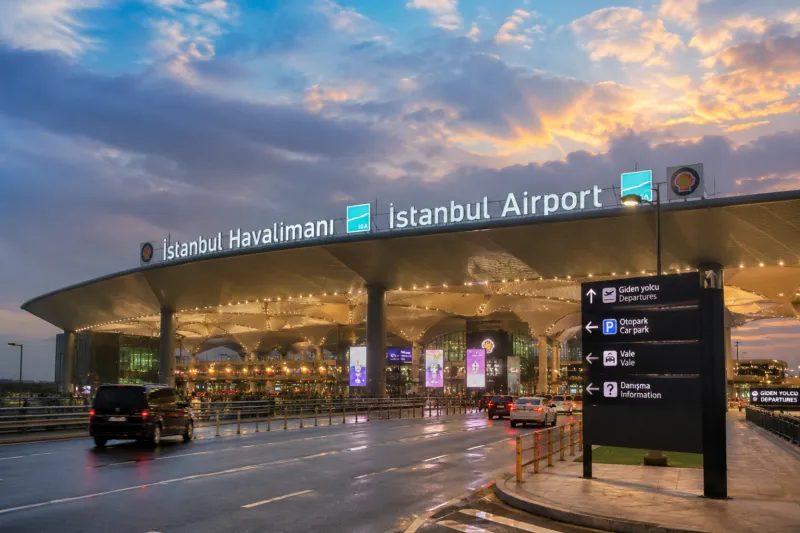
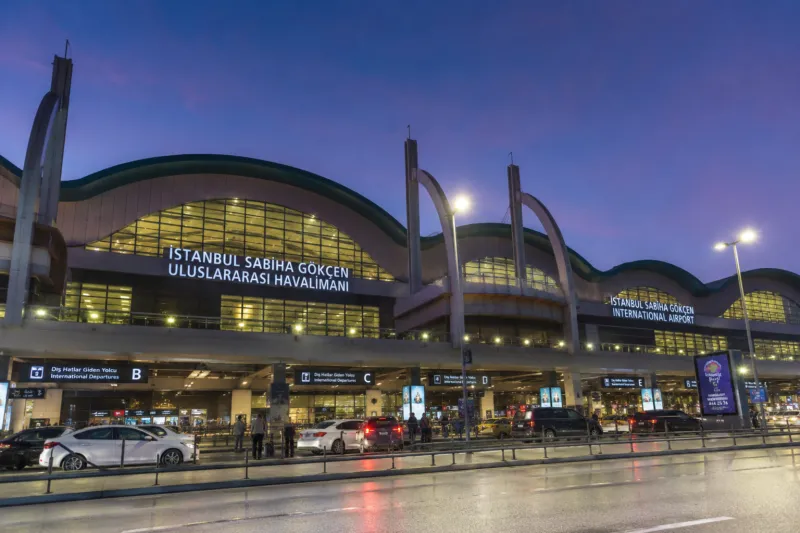
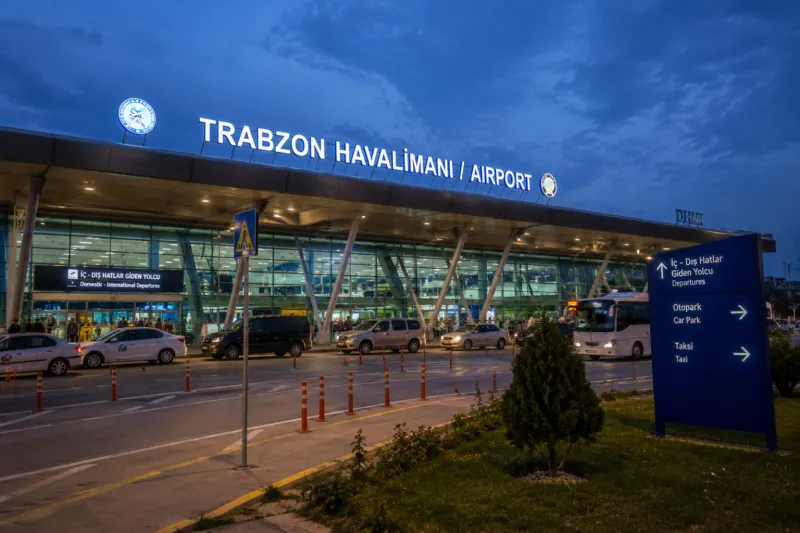
Rental starts from €5.90 per day. You can rent daily, weekly or monthly, and longer rentals get a discount. You can pick up and return the device 24/7 at Istanbul Airport (IST), Sabiha Gökçen Airport and Trabzon Airport, collect it at our Bursa office, or have it delivered to your hotel or Airbnb or shipped anywhere in Turkey. See all pick-up locations.
Choose your dates and pick-up point on the booking form. Questions about roaming, devices or returns? Read the FAQ or message our support team on WhatsApp, 24/7.
Mobile hotspot in Turkey: phone tethering or a separate device?
Phone tethering turns your smartphone into a small router, using whatever data it has in Turkey: roaming, a local SIM or an eSIM. Some travel data plans limit or do not allow hotspot use, so check your plan's conditions before relying on it. Sharing a connection is also one of the most power-hungry things a phone does, and the phone is your map, camera and boarding pass at the same time. On a work trip, tethering ties the laptop to the phone: step away to take a call and the laptop drops offline.
A dedicated mobile hotspot (pocket WiFi) has its own connection and battery, 8–12 hours with a power bank in the box, so your phone's battery is kept for calls, photos and navigation, and colleagues or family can join the same network. If you travel alone, only need a laptop now and then and your plan allows affordable hotspot use in Turkey, tethering can be enough.
Internet service providers in Turkey and home internet for longer stays
The operators you see on shop fronts, at airports and in malls are Turkcell, Vodafone and Türk Telekom. They sell mobile lines and home broadband, but their standard products are built for residents: a local contract, identity verification and, for home internet, an address and an installation. Prepaid tourist lines are sold with your passport at operator shops and airport counters; contracts come with longer commitments.
For expats, students and remote workers who rent a flat for months, a monthly pocket WiFi rental bridges the gap: you are online from the first day in a new apartment while you compare providers, or instead of a contract if your stay is measured in weeks or a few months. When you later sign up for home internet, you simply return the device. A rental uses the operators' networks, in our case the Turkcell and Türk Telekom 4G/5G networks, without a contract.
Mobile internet coverage in Turkey, region by region
Coverage follows people: the denser a place, the stronger and more consistent the signal. Cities and resort towns are generally the best served, main roads between cities are usually good with occasional weaker stretches, and mountains, deep valleys and remote villages can lose signal for a while.
- Istanbul and big cities: signal gets weaker inside very large buildings, underground passages and some metro sections, and pages can load more slowly in extremely crowded spots such as a stadium.
- The coast: towns, hotels and beaches around Antalya, Bodrum, Marmaris and Çeşme are well served; boat trips away from the shore and quiet coves backed by hills can be weaker.
- Cappadocia and the Black Sea: Göreme, Ürgüp and Uçhisar are fine, the bottom of a deep valley less so; high plateaus and forest roads on the way to Uzungöl can be patchy.
For the best signal, keep the device out in the open near a window rather than at the bottom of a bag, and switch it off and on again if the connection seems stuck. Before a day in the mountains or on a boat, download offline maps and your tickets.